


Why Skipping Meals Backfires Later: How Consistent Fueling Supports Better Energy, Health, and Daily Decisions
Why Skipping Meals Often Creates More Problems Than It Solves
Life gets busy.
Meetings run long.
Tasks pile up.
Schedules become packed.
Before you know it, breakfast gets skipped, lunch gets delayed, and eating becomes something you'll "get to later."
At first, this may not seem like a problem.
In fact, skipping meals can sometimes feel productive.
You're focused.
You're working.
You're checking things off your list.
But your body is paying attention.
While your schedule may keep moving, your energy systems are working behind the scenes.
Eventually, the lack of fuel begins to show up in ways many people don't immediately connect to skipped meals.
Energy drops.
Focus becomes harder.
Patience becomes thinner.
And later in the day, intense hunger often takes over.
What seemed like a productive decision earlier can create challenges that make the rest of the day harder.
Understanding why this happens can help you make simple adjustments that support better health, better energy, and more balanced eating habits.
Your Body Is Always Looking for Fuel
The human body requires energy throughout the day.
Every movement, thought, conversation, and task uses fuel.
Even while sitting at a desk, your body is constantly working to support:
Brain function
Blood circulation
Hormone production
Digestion
Muscle activity
Temperature regulation
When meals are skipped, the body doesn't simply stop needing energy.
Instead, it begins working with limited resources.
For a while, you may not notice much difference.
Many people can function for several hours without obvious symptoms.
But eventually the body's need for fuel becomes harder to ignore.
This is often when fatigue, cravings, and loss of focus begin appearing.
💡 Build More Consistent Energy Throughout the Day
Small nutrition habits often create the biggest long-term results.
👉 Get the Simple Health Foundations Guide
Keep it simple. Stay consistent. Build from there.
Energy Drops Are Often a Signal, Not a Weakness
Many people blame themselves when they experience afternoon fatigue.
They assume they lack motivation or discipline.
Often, the issue is much simpler.
The body is running low on fuel.
Imagine trying to drive a car for hours without checking the fuel gauge.
Eventually, performance declines.
The same principle applies to human energy.
Skipping meals may lead to:
Lower physical energy
Reduced concentration
Slower mental processing
Increased irritability
Reduced productivity
These responses are not character flaws.
They are biological signals.
Your body is communicating that it needs support.
Listening to those signals early often prevents larger problems later.

Why Hunger Builds Up Over Time
One of the biggest misconceptions about skipping meals is that hunger stays constant.
It usually doesn't.
Instead, hunger accumulates.
A person may skip breakfast and feel fine.
They may delay lunch and still feel relatively normal.
Then suddenly, later in the day, hunger becomes intense.
At that point, decision-making often changes.
When hunger becomes extreme, convenience becomes much more appealing.
Instead of asking:
"What would be best for my body?"
The question often becomes:
"What can I eat right now?"
This shift is completely understandable.
When the body is seeking fuel, quick solutions naturally become more attractive.
That is why many people find themselves reaching for highly processed snacks, fast food, or oversized portions after going too long without eating.
The issue isn't lack of willpower.
The issue is that biological needs eventually demand attention.
The Overeating Cycle Many People Never Notice
Skipping meals can create a pattern that repeats itself day after day.
The cycle often looks like this:
1. Skip a meal.
2. Hunger slowly increases.
3. Energy declines.
4. Cravings intensify.
5. Large portions become appealing.
6. Overeating occurs.
7. Discomfort follows.
8. The cycle repeats the next day.
Many people focus on the overeating portion of the cycle while overlooking the skipped meal that started it.
When viewed from this perspective, consistent eating is not about eating more.
It's about creating stability.
Stability often reduces the extremes that lead to overeating later.
💡 Simple Habits Create Better Health Outcomes
Health improvements rarely come from perfection.
They usually come from repeating simple behaviors consistently.
👉 Get the Simple Health Foundations Guide
Keep it simple. Stay consistent. Build from there.
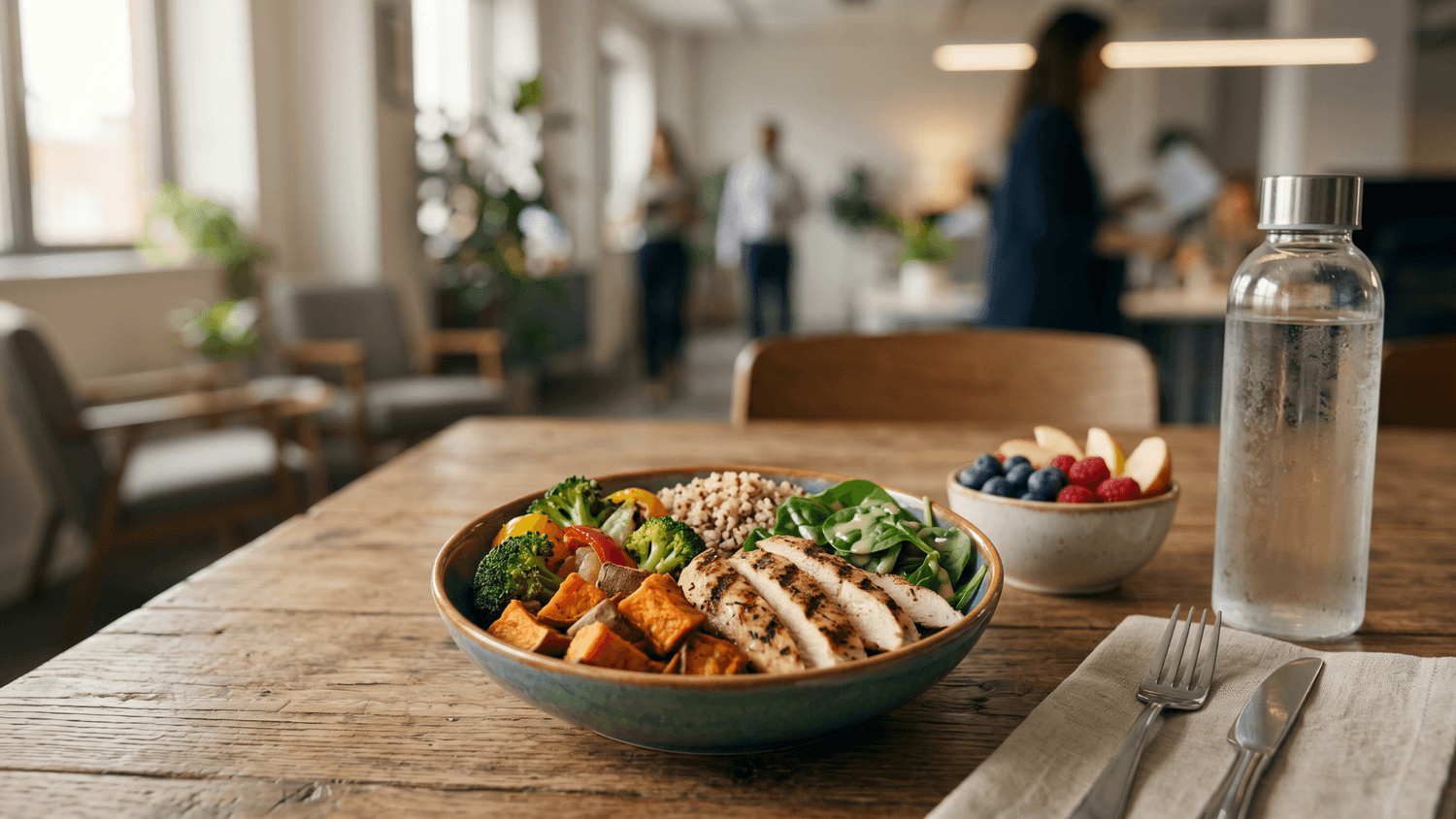
Better Decisions Start With Better Fuel
Most people think decision-making is purely mental.
In reality, physical energy influences many daily choices.
When energy is stable, it becomes easier to:
Stay patient
Focus on priorities
Avoid unnecessary snacking
Maintain healthy habits
Stay productive
When energy drops significantly, everything feels harder.
Tasks that seemed manageable in the morning can suddenly feel overwhelming.
This is one reason balanced meals matter.
They help support a more stable foundation for both physical and mental performance.
You do not need perfect nutrition.
You simply need enough consistent fuel to support your daily demands.
Consistency Beats Perfection
Many people approach nutrition with an all-or-nothing mindset.
They believe every meal must be perfect.
When perfection becomes the goal, consistency often suffers.
A better approach is focusing on regular nourishment.
That may look like:
Eating breakfast most days
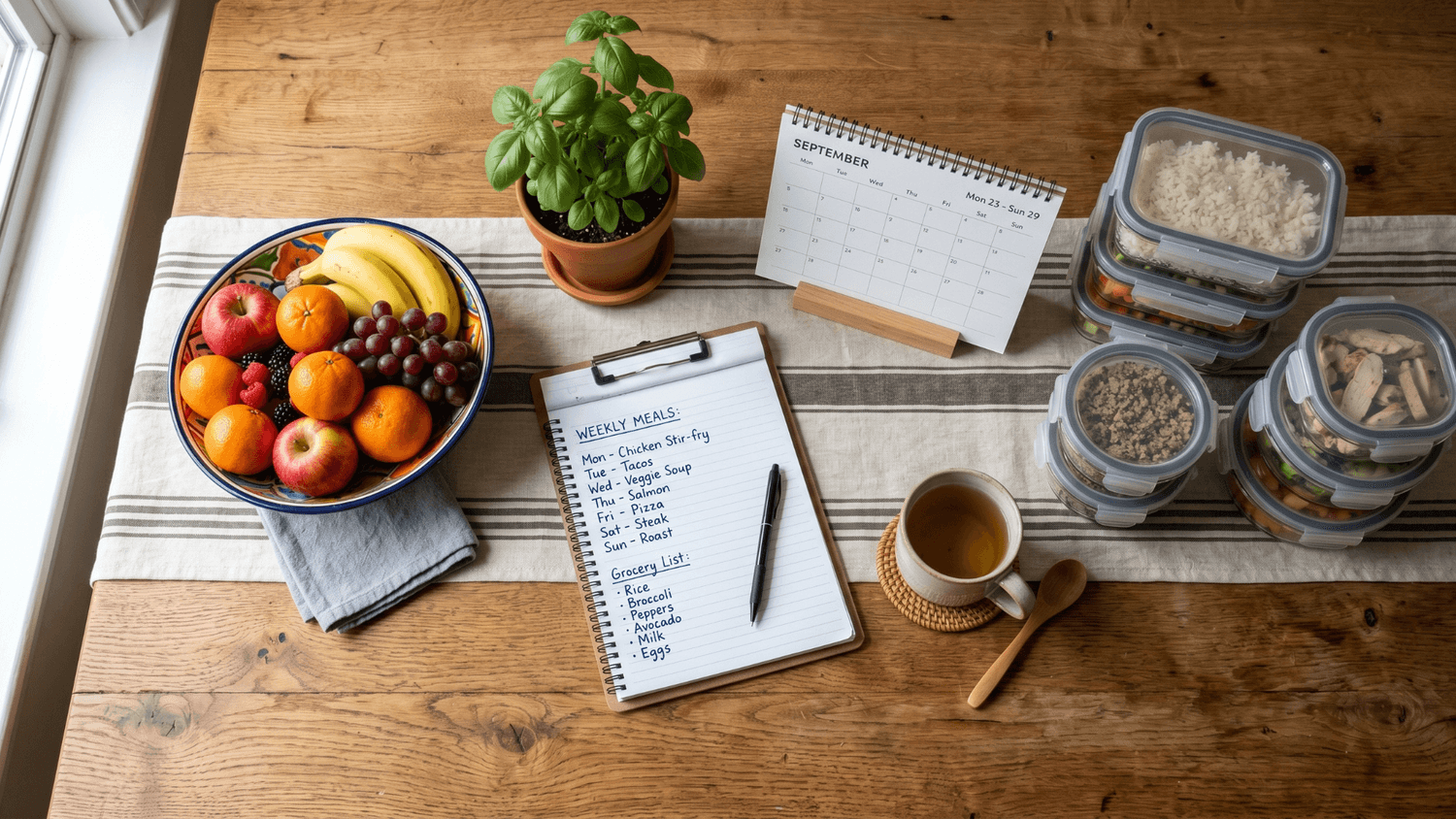
Packing a simple lunch
Keeping healthy snacks available
Planning ahead during busy weeks
These habits may seem small.
Yet small habits performed consistently often produce greater results than occasional periods of extreme discipline.
Health is usually built through repetition rather than intensity.

Practical Ways to Avoid Skipping Meals
The goal is not perfection.
The goal is preparation.
When life becomes busy, simple systems can make healthy choices easier.
Consider strategies such as:
Prepare Food Ahead of Time
Even basic preparation can help.
Examples include:
Portioning snacks
Washing fruit
Preparing lunches
Keeping healthy options visible
Keep Backup Options Available
Not every day goes according to plan.
Having emergency options available can help prevent long stretches without food.
Examples include:
Mixed nuts
Protein bars
Greek yogurt
Fruit
Whole-grain crackers
Schedule Eating Like Other Priorities
Many people schedule meetings but never schedule meals.
Blocking time for meals can help create consistency.
Start Small
If eating regular meals feels difficult, begin with one improvement.
Focus on consistency before complexity.
Small improvements tend to last longer.
💡 Consistency Is More Powerful Than Motivation
You do not need a perfect routine to improve your health.
You simply need habits that are realistic enough to repeat.
👉 Get the Simple Health Foundations Guide
Keep it simple. Stay consistent. Build from there.
Understanding the Difference Between Hunger and Cravings
Another benefit of consistent meals is learning to recognize your body's signals.
When meals are regularly spaced throughout the day, hunger tends to be more predictable.
This makes it easier to understand what your body actually needs.
When meals are frequently skipped, hunger and cravings often become mixed together.
At that point, it becomes harder to distinguish:
Physical hunger
Emotional eating
Convenience eating
Stress eating
Consistent fueling creates more awareness.
More awareness often leads to better choices.
The Long-Term Value of Stable Energy
Most people focus on today's meals.
A more helpful perspective is to think about today's energy.
The food choices you make earlier often affect how you feel later.
Consistent meals can support:
More stable energy
Better focus
Improved productivity
Reduced overeating
Better daily routines
Improved health habits
These benefits accumulate over time.
Just as skipped meals can create a cycle, consistent meals can create one as well.
The difference is that this cycle supports you instead of working against you.

Small Meals Still Count
Some people avoid eating because they believe they don't have time for a full meal.
The good news is that consistency does not require large portions.
Even small balanced options can help bridge the gap between meals.
Examples include:
Apple with peanut butter
Greek yogurt and berries
Cheese and whole-grain crackers
Nuts and fruit
Protein smoothie
These options may not seem significant.
Yet they can help support energy, reduce excessive hunger, and improve decision-making later.
Small actions often prevent larger problems.
Creating a More Sustainable Relationship With Food
Many health challenges come from extremes.
Too little food.
Too much food.
Long periods without fuel followed by periods of overeating.
Sustainable health usually lives somewhere in the middle.
The goal is not restriction.
The goal is support.
Your body performs best when it receives consistent nourishment.
When you provide that support regularly, healthier decisions often become easier.
You spend less time fighting cravings and more time focusing on your priorities.
Consistency Creates Balance
One of the simplest lessons in nutrition is also one of the most overlooked.
Consistency matters.
Not because every meal must be perfect.
Not because every snack must be planned.
But because the body responds well to regular support.
Small, steady actions often create greater long-term results than dramatic changes that cannot be maintained.
When you fuel consistently, you create conditions that make balance easier to achieve.
💡 Support Better Energy With Simple Daily Habits
Health becomes easier when your habits work with your body instead of against it.
👉 Get the Simple Health Foundations Guide
Keep it simple. Stay consistent. Build from there.

Final Thoughts
Skipping meals may seem harmless or even productive in the moment, but the effects often show up later.
Energy declines.
Hunger builds.
Food choices become more reactive.
The solution is not complicated.
Focus on consistency.
Whether it's a full meal or a balanced snack, providing your body with steady fuel helps support stable energy, clearer thinking, and healthier decisions throughout the day.
Small actions taken consistently often create the strongest foundation for long-term health.

Categories


Trending
Curious about Java Burn? Discover how this fat-burning coffee additive works, what ingredients it uses, and if it’s right for your daily routine.
Looking for real ways to make extra money in 2024? Here are 15 legitimate side hustles and online income ideas that actually work — no scams, no fluff.
Discover how to build real confidence using small, science-backed micro-habits. No fluff — just proven strategies that actually work.

About me

Hi there 👋 My name is Lisa Grove, I'm the maker of This Blog. One of my favorite things is travel, fun and sun :)
💡 Keep Exploring: Handpicked Reads for You

Discover proven strategies to attract leads using Facebook & Instagram — no ad budget needed.

Learn how to write subject lines and content that get clicks, opens, and responses.

Start your journey toward financial freedom with this simple, proven framework.
📬 Want Smart Marketing Tips in Your Inbox?
Join our free newsletter for weekly tips that help you grow faster and smarter.
© 2025 reebesthelp.com. All rights reserved.