

When Pushing Harder Is Actually Avoidance: How to Choose Honest Progress Over Burnout
Pushing harder can feel responsible.
It can look like ambition, discipline, or determination.
When something is not working, the automatic response is often to increase the effort.
You work longer, take on more, tighten the schedule, and tell yourself that slowing down would mean losing momentum.
Sometimes that extra effort is necessary.
But sometimes pushing harder is actually avoidance.
You may be using constant activity to avoid uncertainty, disappointment, conflict, or the possibility that your current approach is no longer right.
As long as you remain busy, you do not have to stop and ask difficult questions.
That can create the appearance of progress without producing meaningful movement.
Real growth is not measured only by how much pressure you can tolerate.
It is also measured by your willingness to pause, examine what is happening, and change direction when needed.
Effort Can Become a Hiding Place
Work can be productive, but it can also become a convenient place to hide.
When you are always doing something, you have less time to notice what you are feeling.
A full schedule can protect you from confronting uncertainty.
Another project can delay a difficult decision.
A new goal can distract you from the disappointment of an old one.
This does not mean your effort is fake.
You may genuinely care about what you are doing.
The problem begins when effort becomes the only response you trust.
You may tell yourself:
I just need to work harder.
I cannot stop until this is finished.
Rest will put me behind.
I need to stay productive.
If I keep moving, everything will eventually work out.
These thoughts can sound disciplined.
However, they may also prevent you from recognizing that something deeper requires attention.
Perhaps the plan is unrealistic.
Perhaps you are afraid to admit that a goal has changed.
Perhaps you need help but do not want to ask for it.
Perhaps you are exhausted and worried that rest will expose how tired you really are.
Pushing harder temporarily quiets those questions.
It gives you something immediate to do, even when doing more is not the answer.
💡 Ready to Build Real Confidence (Without Overthinking It)?
If you’re tired of starting over and want a simple system that actually sticks, this is for you.
👉 Start building confidence today:
Start small. Stay consistent. Watch what happens.
Why Busyness Feels Safer Than Reflection
Busyness creates structure.
Reflection creates uncertainty.
When you are completing tasks, you can measure activity.
You can count emails, hours, appointments, workouts, applications, or items removed from a list.
Those visible results provide a sense of control.
Reflection is different.
It may lead to questions without immediate answers:
Is this goal still important to me?
Am I making progress or repeating the same pattern?
What am I afraid will happen if I slow down?
Is my current approach sustainable?
Am I doing this because it works or because it is familiar?
What truth have I been too busy to acknowledge?
These questions can be uncomfortable because they might require a change.
You may discover that persistence is no longer the best strategy.
You may need to establish a boundary, leave an unhealthy situation, revise an expectation, or admit that you do not know what comes next.
Continuing to work can feel easier than facing those possibilities.
Busyness also receives social approval.
People may praise your dedication without seeing the fear, fatigue, or confusion underneath it.
That praise can make the pattern difficult to recognize.
You start believing that any slowdown would make you less capable, committed, or valuable.
But your worth is not determined by how constantly you can perform.

Signs That Pushing Harder Has Become Avoidance
Effort becomes avoidance when the activity protects you from addressing the real issue.
One sign is that you keep increasing your effort without reviewing your results.
You assume that more time, more pressure, or more sacrifice will eventually fix the problem.
You do not pause long enough to determine whether the approach is working.
Another sign is feeling guilty whenever you rest.
Instead of viewing rest as part of a sustainable life, you treat it as a failure of discipline.
Even when your body and mind are exhausted, you remain preoccupied with what you should be doing.
You may also notice that your work has become reactive.
You move from one urgent task to another without deciding what matters most.
Staying active feels necessary, but the activity does not create clarity.
Other warning signs include:
Repeating the same actions despite limited results
Avoiding conversations that could clarify the situation
Starting new tasks before finishing or evaluating old ones
Becoming irritated when someone suggests slowing down
Using productivity to avoid loneliness, grief, fear, or uncertainty
Feeling mentally exhausted but unable to stop
Believing that changing direction would mean you failed
Measuring your value by your output
One difficult day does not mean you are avoiding something.
Patterns matter more than isolated moments.
The central question is simple: Is your effort helping you engage with reality, or helping you escape from it?
The Difference Between Persistence and Avoidance
Persistence remains connected to purpose.
When you are being persistent, you can explain why the effort matters.
You review your results, make adjustments, accept support, and rest when necessary.
The goal is not simply to endure.
The goal is to move toward something meaningful.
Avoidance-driven effort is different.
It often feels urgent, rigid, and emotionally charged.
You keep going because stopping feels threatening.
You may not know what you are trying to accomplish beyond staying occupied or proving that you have not given up.
Healthy persistence says, “This matters, so I will continue while paying attention.”
Avoidance says, “I cannot stop because I do not want to face what stopping might reveal.”
Persistence can change its methods.
Avoidance usually repeats them.
💡 Ready to Build Real Confidence (Without Overthinking It)?
If you’re tired of starting over and want a simple system that actually sticks, this is for you.
👉 Start building confidence today:
Start small. Stay consistent. Watch what happens.
What Are You Avoiding by Staying in Motion?
You do not need to accuse yourself or force an immediate answer.
Approach the question with curiosity.
Ask yourself what tends to surface when you become quiet.
Maybe you feel uncertain about whether your work will succeed.
Perhaps slowing down brings attention to a relationship problem, financial concern, health habit, or personal disappointment.
You may realize that you have been pursuing a goal that no longer fits the person you are becoming.
In other cases, the hidden discomfort is simpler: You do not know what to do next.
Not knowing can feel vulnerable.
Working harder allows you to remain inside a familiar identity—the dependable person, the productive person, or the person who never gives up.
Admitting uncertainty may feel like losing that identity.
But uncertainty is not proof that you are failing.
It is often a normal part of transition.
For example, imagine that you are building a project that has stopped gaining traction.
You continue creating more material, adding more hours, and changing minor details.
Yet you avoid studying the results because you are afraid they will confirm that the larger strategy needs to change.
More production may feel productive, but honest evaluation would create more value.
The same pattern can appear in personal growth.
You may consume more books, videos, advice, and exercises because taking one uncomfortable real-world action feels harder.
Learning becomes a substitute for applying.
Activity is not automatically progress.
Its value depends on whether it moves you toward the truth and the result you need.
Give Yourself Permission to Pause
A pause is not the same as quitting.
A useful pause creates enough distance for you to see what constant motion has hidden.
It allows your emotions, energy, and observations to catch up with your actions.
You do not need a week away from every responsibility.
Even ten quiet minutes can interrupt an avoidance pattern.
During that pause:
1. Name what you have been pushing yourself to do.
2. Identify the result you expected from that effort.
3. Compare the expectation with what is actually happening.
4. Notice what you feel when you consider slowing down.
5. Ask what response would be most honest now.
You might discover that you need rest.
You might need a better plan, a conversation, outside help, or a smaller target.
You may decide to continue—but with clearer boundaries and a more effective method.
The point of pausing is not to become passive.
It is to make your next action deliberate.

Replace More Effort With Better Questions
When you feel the urge to push harder, do not ask only, “How can I do more?”
Ask questions that test the quality and purpose of the effort:
What specific result am I trying to create?
Is this action producing that result?
What evidence do I have?
Am I avoiding a decision by staying busy?
What would I do differently if I were not afraid of changing direction?
Do I need more effort, or do I need more clarity?
What is the smallest honest next step?
These questions shift your attention from intensity to effectiveness.
Suppose you have been trying to improve your daily routine by creating increasingly strict schedules.
Each schedule works briefly, then collapses.
Pushing harder might mean adding more alarms, rules, and consequences.
A better question would be: “What keeps making this routine unsustainable?”
The answer could be insufficient sleep, too many daily priorities, unpredictable responsibilities, or expectations that do not match your actual energy.
Once you identify the real issue, you can create a routine based on your life instead of repeatedly fighting against it.
Honesty often saves energy because it directs effort toward the real problem.
💡 Ready to Build Real Confidence (Without Overthinking It)?
If you’re tired of starting over and want a simple system that actually sticks, this is for you.
👉 Start building confidence today:
Start small. Stay consistent. Watch what happens.
Rest Can Be a Productive Decision
Rest is not a reward reserved for the moment when everything is finished.
Everything is rarely finished.
Rest supports clearer thinking, emotional regulation, patience, and better decision-making. Without it, you may confuse urgency with importance.
You may work longer while making poorer choices.
Intentional rest does not have to mean doing nothing for an entire day.
It could mean:
Ending work at a defined time
Taking a walk without consuming more information
Sleeping before making a major decision
Leaving one nonessential task unfinished
Spending an hour away from screens
Sitting quietly without planning your next move
The discomfort you feel during rest can also reveal useful information.
If you immediately become anxious, guilty, or restless, notice it.
That reaction may show how strongly you have connected constant activity with safety or self-worth.
You do not have to eliminate the discomfort before resting.
You can let it exist without obeying it.

Changing Your Approach Is Not Giving Up
Many people continue with an ineffective approach because they do not want previous effort to feel wasted.
But time already invested does not obligate you to keep using a method that is not working.
The experience can still teach you something, even if you choose a different path.
Changing your approach may mean:
Reducing the size of a goal
Extending an unrealistic deadline
Asking someone for guidance
Stopping a commitment that no longer fits
Focusing on one priority instead of several
Replacing perfection with a workable standard
Testing a new strategy before investing more effort
This is not weakness.
It is responsible adjustment.
Think of someone repeatedly applying for opportunities without reviewing why they are not receiving responses.
Sending twice as many applications may feel like determination.
However, improving the résumé, narrowing the target, requesting feedback, or building one missing skill could be more effective.
The willingness to adjust is a form of strength because it places results and well-being above pride.
Choose the Quiet Form of Progress
Not every meaningful change looks impressive from the outside.
Quiet progress may look like admitting that you are tired.
It may mean declining an obligation, changing a plan, asking for help, or spending time thinking before acting.
It can also mean staying with an uncomfortable feeling instead of immediately covering it with another task.
When you sit with uncertainty, you learn that it does not have to control you.
You can feel unsure and still make a thoughtful choice.
You can be disappointed and still begin again.
You can rest without abandoning your goals.
This is how confidence becomes more stable.
It stops depending on constant performance.

Build an Honest Progress Practice
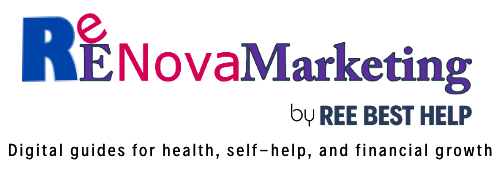
A healthier approach to progress requires regular evaluation, not constant pressure.
Once a week, take a few minutes to review one important area of your life.
Look at what you did, what happened, and what needs to change.
Use four simple prompts:
What worked?
Identify the actions that produced a useful result.
Be specific.
This helps you repeat what is effective instead of relying on vague impressions.
What drained me without helping?
Notice tasks, habits, or expectations that required significant energy but created little value.
The goal is not to avoid every difficult task.
It is to recognize unnecessary strain.
What have I been avoiding?
Name the conversation, decision, feeling, or fact that you have been circling around.
Writing it down can reduce its power and make the next step easier to see.
What is the most honest next action?
Choose one action based on reality.
It could be continuing, resting, adjusting, asking, or stopping.
Keep it small enough to complete.
This practice separates meaningful discipline from automatic overwork.
Let Your Identity Become More Flexible
If you see yourself as the person who always pushes through, slowing down may feel like betraying who you are.
But a strong identity can include flexibility.
You can be committed and still revise your plan.
You can be disciplined and still rest.
You can be ambitious and still admit that something is not working.
You can be dependable without carrying everything alone.
A flexible identity gives you more ways to respond.
Instead of saying, “I am someone who never stops,” try:
“I am someone who pays attention and responds wisely.”
That identity still supports action, but it does not require self-neglect.
It makes room for courage that is quieter than endurance—the courage to tell yourself the truth.
💡 Ready to Build Real Confidence (Without Overthinking It)?
If you’re tired of starting over and want a simple system that actually sticks, this is for you.
👉 Start building confidence today:
Start small. Stay consistent. Watch what happens.

Final Thought
Pushing harder is not always proof that you are moving forward.
Sometimes it is a way to avoid feeling uncertain, reconsidering a plan, or admitting that you need something different.
Constant effort can keep you occupied while the real issue remains untouched.
You do not need to abandon ambition.
You need to make sure your effort is connected to honesty.
Pause long enough to examine what your activity is producing.
Rest when exhaustion is distorting your thinking.
Change your approach when the evidence calls for it.
Face the conversation, decision, or emotion that busyness has helped you postpone.
Progress is not always louder.
Sometimes the strongest step is a quieter one: recognizing the truth, releasing unnecessary pressure, and choosing an action that genuinely moves you forward.

Categories


Trending
Curious about Java Burn? Discover how this fat-burning coffee additive works, what ingredients it uses, and if it’s right for your daily routine.
Looking for real ways to make extra money in 2024? Here are 15 legitimate side hustles and online income ideas that actually work — no scams, no fluff.
Discover how to build real confidence using small, science-backed micro-habits. No fluff — just proven strategies that actually work.

About me

Hi there 👋 My name is Lisa Grove, I'm the maker of This Blog. One of my favorite things is travel, fun and sun :)
💡 Keep Exploring: Handpicked Reads for You
Discover proven strategies to attract leads using Facebook & Instagram — no ad budget needed.
Learn how to write subject lines and content that get clicks, opens, and responses.

Start your journey toward financial freedom with this simple, proven framework.
📬 Want Smart Marketing Tips in Your Inbox?
Join our free newsletter for weekly tips that help you grow faster and smarter.
© 2025 reebesthelp.com. All rights reserved.