


The First Rule of Building Wealth: Pay Yourself First (And Why This One Habit Changes Everything)
Wealth Starts With One Decision
Most people believe wealth is built by:
earning more
finding the perfect investment
cutting expenses endlessly
getting lucky
But nearly every proven wealth system starts with one simple rule:
> Pay yourself first.
Not last.
Not “if there’s anything left.”
First.
This one habit separates people who struggle financially from those who steadily build wealth — regardless of income level.
What “Pay Yourself First” Really Means
Paying yourself first means:
> Every time you get paid, you set aside a portion for your future — before spending on anything else.
Before:
bills
entertainment
subscriptions
impulse spending
Your future self becomes your first priority, not an afterthought.

Why Most People Get This Backwards
Most people follow this order:
1. Get paid
2. Pay bills
3. Spend
4. Save whatever’s left
The problem?
There’s usually nothing left.
Saving becomes optional.
Optional habits don’t build wealth.
Paying yourself first flips the order — and changes the outcome.
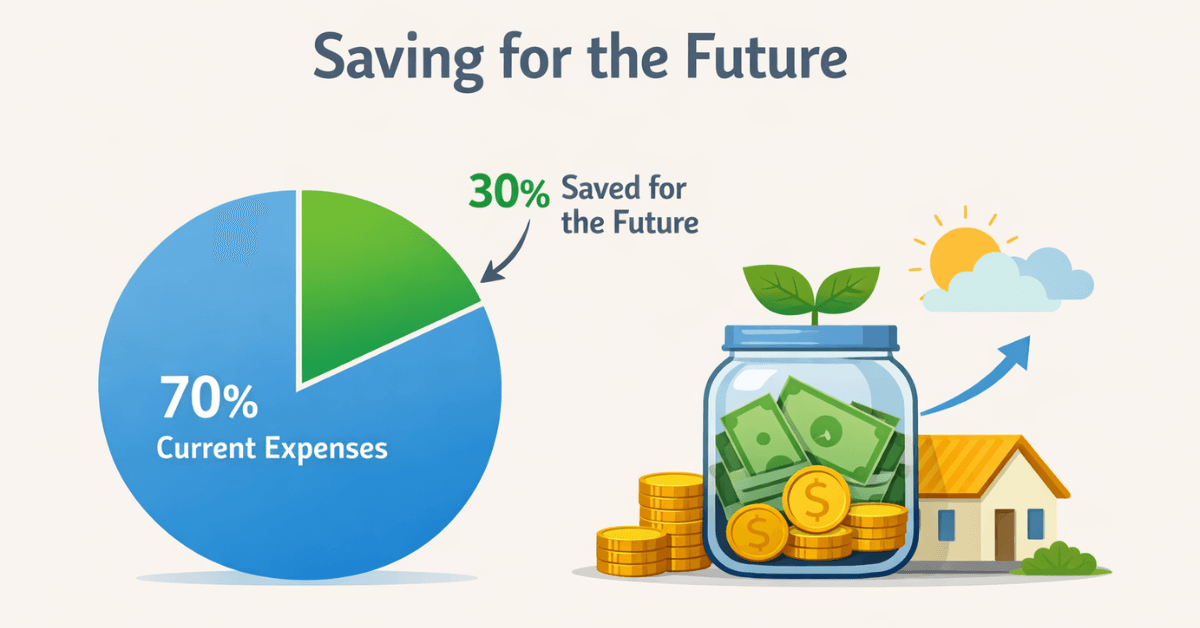
Why 10% Is the Classic Rule (And Why It Works)
A common guideline is:
> Set aside 10% of your income first.
Why?
It’s meaningful
It’s manageable
It builds discipline
It works at almost any income level
The exact percentage matters less than the consistency.
Wealth is built through repetition, not perfection.
Pay Yourself First Is a Mindset Shift
This habit does more than grow savings.
It changes how you think:
“I take care of my future.”
“My goals matter.”
“I control my money — not the other way around.”
That mindset influences every financial decision that follows.
Why This Habit Works Even on a Tight Budget
Many people say:
“I’ll start saving when I make more.”
But higher income doesn’t fix broken habits.
Paying yourself first:
forces intentional spending
reduces lifestyle inflation
builds discipline at any level
creates momentum
You don’t need more money to start.
You need a better order.

Treat Your Savings Like a Bill (Non-Negotiable)
Bills get paid because they’re mandatory.
So make saving mandatory.
When savings comes out first:
you adjust naturally
spending becomes intentional
money lasts longer
stress decreases
Savings stops feeling like sacrifice — and starts feeling normal.
Where Should the “Pay Yourself First” Money Go?
You can direct it to:
emergency fund
long-term savings
investing
debt payoff
future goals
The destination matters less than the habit.
Once the habit is solid, optimization comes later.

Why This Is the First Rule of Wealth (Not an Optional Tip)
Without paying yourself first:
saving stays inconsistent
wealth stays accidental
money controls you
With it:
wealth becomes intentional
progress becomes predictable
discipline compounds
This isn’t a trick.
It’s a foundation.
The REE Best Help Method: Pay Yourself First
STEP 1 — Choose a Percentage
Start with 5–10%.
STEP 2 — Automate It
Automation removes temptation.
STEP 3 — Treat It as Untouchable
It’s not extra.
It’s essential.
STEP 4 — Increase Over Time
As income grows, so does your future.

Why This Habit Builds Real Wealth (Not Just Savings)
Paying yourself first builds:
discipline
confidence
consistency
long-term thinking
financial self-respect
Those traits create wealth far beyond a bank balance.

Conclusion: Pay Yourself First — Every Time
If you only remember one wealth rule, make it this one:
> Pay yourself first.
Not later.
Not eventually.
Not “when things are easier.”
Every paycheck.
Every time.
Because wealth isn’t built by what you spend —
it’s built by what you keep consistently.
And if you want more simple habits like this that actually grow your money:
👉 Follow @REEBestHelp and visit REEBestHelp.com for practical wealth tools and guidance.

Categories


Trending
Curious about Java Burn? Discover how this fat-burning coffee additive works, what ingredients it uses, and if it’s right for your daily routine.
Looking for real ways to make extra money in 2024? Here are 15 legitimate side hustles and online income ideas that actually work — no scams, no fluff.
Discover how to build real confidence using small, science-backed micro-habits. No fluff — just proven strategies that actually work.

About me

Hi there 👋 My name is Lisa Grove, I'm the maker of This Blog. One of my favorite things is travel, fun and sun :)
💡 Keep Exploring: Handpicked Reads for You

Discover proven strategies to attract leads using Facebook & Instagram — no ad budget needed.

Learn how to write subject lines and content that get clicks, opens, and responses.

Start your journey toward financial freedom with this simple, proven framework.
📬 Want Smart Marketing Tips in Your Inbox?
Join our free newsletter for weekly tips that help you grow faster and smarter.
© 2025 reebesthelp.com. All rights reserved.