

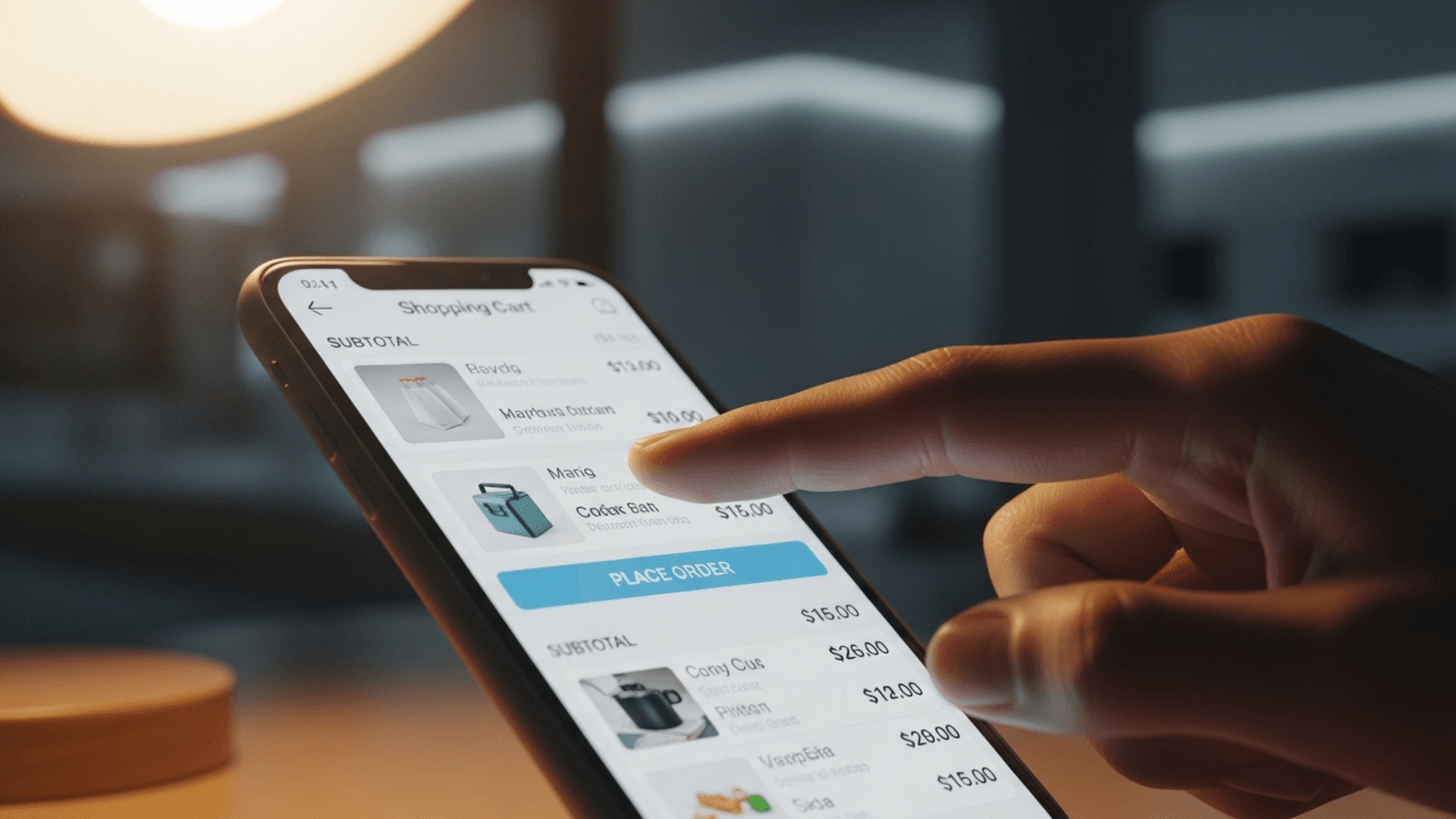
Stop This One Habit That's Making You Broke?: Break the Impulse Spending Cycle That’s Draining Your Energy, Stressing Your Mind, and Sabotaging Your Health
The Habit You Don’t See… But Feel Every Day
It doesn’t feel like a big deal in the moment.
A quick purchase.
A small “treat.”
A reward after a long day.
You tell yourself it’s nothing.
💡 Start Noticing the Pattern
Use a simple system to recognize and slow down impulse decisions.
👉 Build smarter financial habits today:
Small financial shifts create long-term freedom.
But over time…
it adds up.
Not just financially—but mentally and physically.
Because impulse spending isn’t just about money.
It’s about stress.
It’s about emotional reaction.
It’s about the patterns that quietly drain your energy and leave you feeling stuck.
And the worst part?
It often happens when you’re at your lowest.
Tired.
Overwhelmed.
Mentally drained.
That’s when the habit shows up.
Why Impulse Spending Is More Than a Money Problem
Impulse spending is emotional.
It’s not about logic.
It’s not about planning.
It’s about how you feel in the moment.
You don’t buy because you need something.
You buy because:
You’re stressed
You’re bored
You feel like you deserve something
You want a quick boost
And it works…
temporarily.
That small hit of excitement gives you a short burst of relief.
But it fades quickly.
And what’s left behind?
Regret
Financial stress
Mental clutter
This cycle doesn’t just affect your bank account.
It affects your nervous system.
The Stress Cycle Behind the Habit
Let’s break it down simply:
1. You feel stress, fatigue, or overwhelm
2. You seek relief
3. You make an impulse purchase
4. You feel temporary satisfaction
5. The stress returns—sometimes worse
This loop becomes automatic.
And over time, it conditions your brain to associate spending with relief.
That’s where the problem deepens.
Because now, every time you feel off… your brain pushes you toward spending.
That’s not control.
That’s conditioning.
💡 Build Awareness Before You Spend
Create a small pause that helps you make clearer decisions.
👉 Build smarter financial habits today:
Small financial shifts create long-term freedom.
How This Habit Impacts Your Health
This is where most people overlook the real damage.
Impulse spending creates hidden stress.
And stress affects everything.
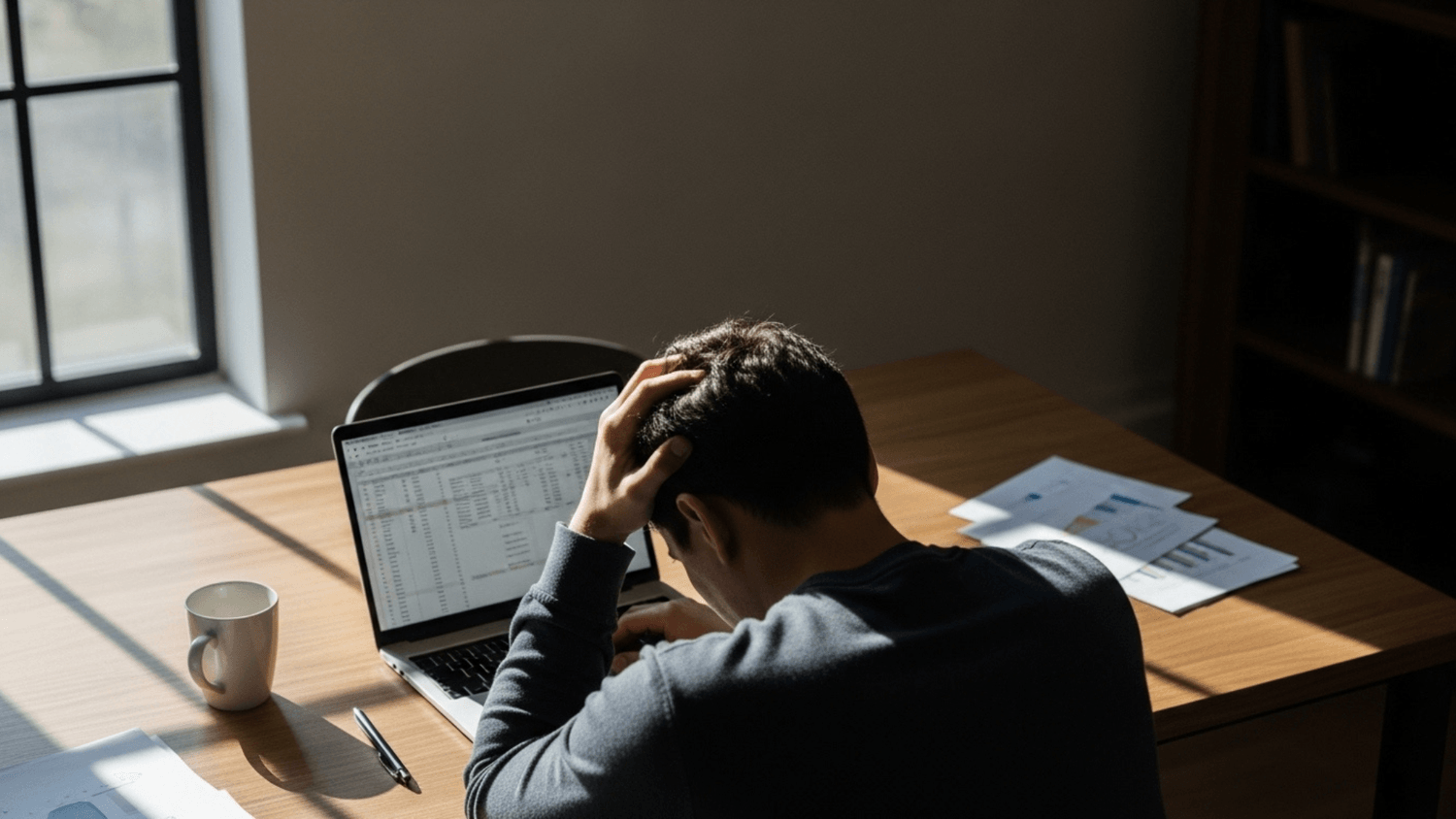
When your finances feel unstable—even slightly—it creates background tension in your mind.
You may not notice it immediately, but it shows up as:
Mental fatigue
Difficulty focusing
Low-level anxiety
Poor decision-making
Your brain is constantly processing:
“Did I need that?”
“Why did I buy that?”
“I should be doing better.”
That internal dialogue drains energy.
And when your energy is drained, your health habits suffer.
You eat worse.
You sleep worse.
You move less.
Everything is connected.
The Emotional Trigger You Need to Notice
Impulse spending doesn’t happen randomly.
There’s always a trigger.
Most of the time, it’s emotional.
Common triggers include:
Stress after a long day
Feeling unproductive
Boredom
Social comparison
Wanting instant gratification
If you don’t recognize the trigger, you can’t change the behavior.
That’s why awareness is the first step.
Not control.
Not restriction.
Awareness.
The Simple Shift That Changes Everything
You don’t need to eliminate spending.
You need to interrupt the impulse.
That’s the key.
Not stopping the action completely.
Just pausing it.
Because impulse decisions happen fast.
But smart decisions need space.
That’s where the 24-hour rule comes in.
The 24-Hour Rule (Your Reset Button)
The next time you feel the urge to buy something:
Do this instead.
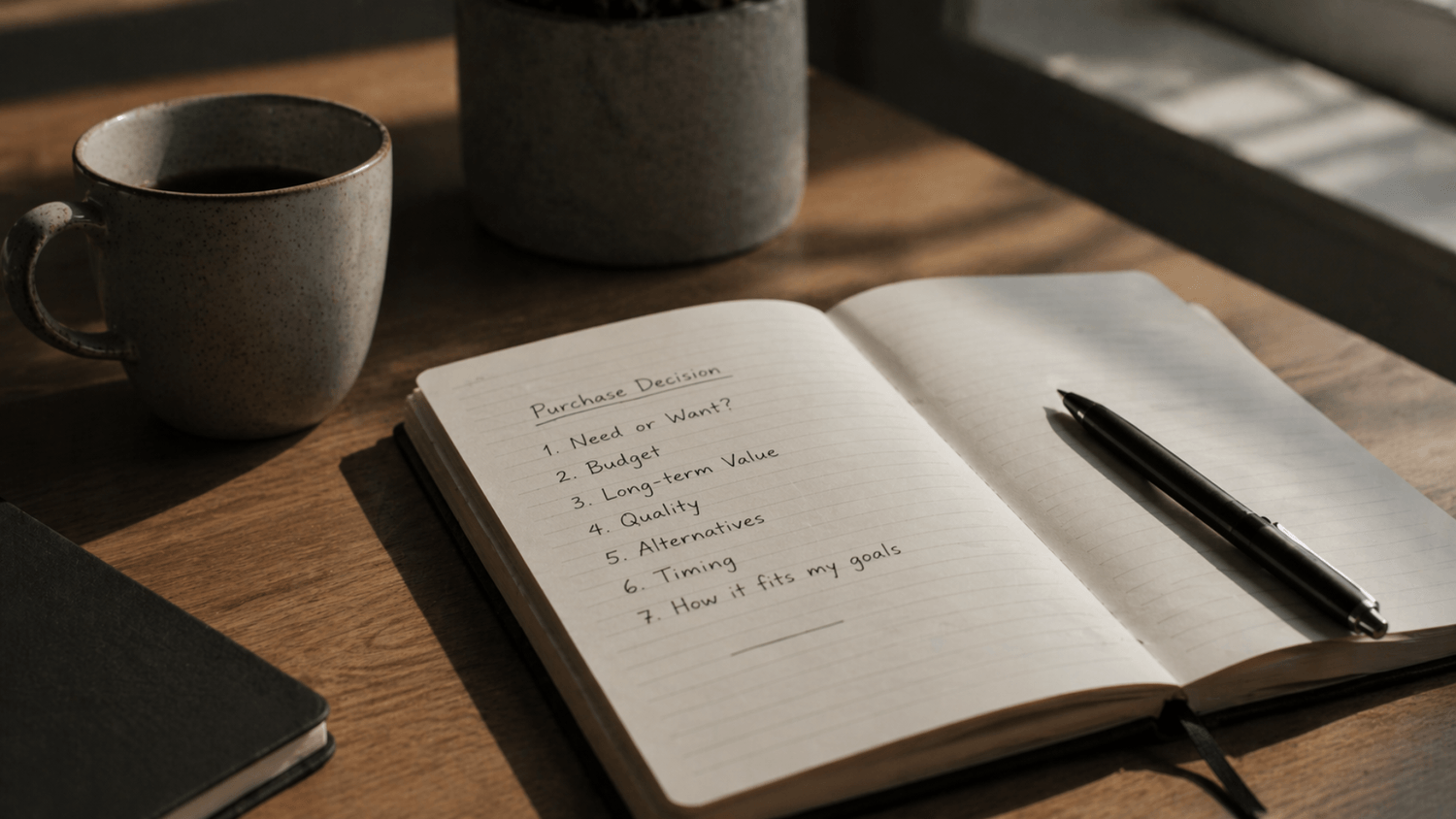
Step 1: Write It Down
What do you want to buy?
Why do you want it?
This forces your brain to slow down.
It shifts you from reaction to awareness.
Step 2: Wait 24 Hours
No exceptions.
No shortcuts.
Just wait.
This gives your emotional state time to settle.
Step 3: Revisit the Decision
After 24 hours, ask yourself:
Do I still want this?
Does it actually add value?
Am I buying this for the right reason?
Most of the time… the answer is no.
And that’s the power of the pause.
💡 Use a Simple Reset System
Follow an easy method to reduce stress-driven spending habits.
👉 Build smarter financial habits today:
Small financial shifts create long-term freedom.
Why the Pause Works
The pause creates distance.
Distance weakens emotion.
And when emotion weakens, logic strengthens.
Instead of reacting, you start thinking.
Instead of acting instantly, you become intentional.
This one shift protects:
Your money
Your mental clarity
Your long-term habits
It’s simple.
But it’s powerful.
Replacing the Habit (Not Just Removing It)
You can’t just remove a habit.
You need to replace it.
When the urge to spend shows up, try this instead:
Take a short walk
Drink water
Step away from your phone
Breathe deeply for 60 seconds
Write down what you’re feeling
These actions don’t cost anything.
But they give you something more valuable:
Control.

Building a Stronger Financial Mindset
This isn’t just about stopping spending.
It’s about strengthening your mindset.
When you control impulses, you build discipline.
When you build discipline, you create stability.
And stability reduces stress.
That’s where the health connection becomes clear.
Less stress = better decisions.
Better decisions = better habits.
Better habits = better life.
The Real Goal: Awareness Over Perfection
You’re not trying to be perfect.
You’re trying to be aware.
You will still make impulse purchases sometimes.
That’s normal.
The goal is to reduce them.
To interrupt the pattern.
To gain control over time.
Progress matters more than perfection.

Long-Term Impact of This One Change
When you break the impulse spending habit, you don’t just save money.
You:
Reduce stress
Improve focus
Gain confidence
Build stronger habits
You stop reacting.
You start choosing.
And that shift changes everything.
Because control in one area spills into others.
Your health improves.
Your mindset strengthens.
Your life stabilizes.
💡 Stay Consistent With Better Habits
Keep your decisions steady with a simple daily structure.
👉 Build smarter financial habits today:
Small financial shifts create long-term freedom.

Final Thought: Protect Your Energy, Not Just Your Money
Impulse spending feels small.
But its impact is not.
It drains more than your wallet.
It drains your energy.
Your clarity.
Your control.
The next time you feel that urge…
Pause.
Write it down.
Wait.
Because that small pause?
It protects everything.

Categories


Trending
Curious about Java Burn? Discover how this fat-burning coffee additive works, what ingredients it uses, and if it’s right for your daily routine.
Looking for real ways to make extra money in 2024? Here are 15 legitimate side hustles and online income ideas that actually work — no scams, no fluff.
Discover how to build real confidence using small, science-backed micro-habits. No fluff — just proven strategies that actually work.

About me

Hi there 👋 My name is Lisa Grove, I'm the maker of This Blog. One of my favorite things is travel, fun and sun :)
💡 Keep Exploring: Handpicked Reads for You
Discover proven strategies to attract leads using Facebook & Instagram — no ad budget needed.
Learn how to write subject lines and content that get clicks, opens, and responses.

Start your journey toward financial freedom with this simple, proven framework.
📬 Want Smart Marketing Tips in Your Inbox?
Join our free newsletter for weekly tips that help you grow faster and smarter.
© 2025 reebesthelp.com. All rights reserved.