


Move for Mood, Not Just Muscles: Why Simple Daily Movement Can Completely Change Your Energy and Mental Health
Move for Mood, Not Just Muscles
Most people think movement only matters if it changes their body.
That mindset is exhausting.
It turns exercise into punishment instead of support.
It makes people believe every workout needs to burn calories, produce soreness, or lead to visible physical results.
But movement was never meant to feel like a punishment.
Your body was designed to move because movement affects far more than muscles.
It affects:
your energy
your focus
your mood
your stress levels
your sleep
your emotional state
your confidence
your mental clarity
Sometimes the biggest benefit of movement has nothing to do with appearance at all.
Sometimes the real benefit is feeling like yourself again.
A short walk can reset your mind.
A stretch can reduce emotional tension.
A dance break can interrupt anxiety.
A few minutes of movement can completely shift the direction of your day.
That is why movement matters.
Not because you “have to.”
Because your mind and body genuinely feel better when you move.
Why Modern Life Makes Us Feel Stuck
The human body was not built to sit still all day.
But modern life quietly encourages constant stillness.
Think about how much time the average person spends:
sitting at a desk
scrolling on a phone
driving
watching screens
laying in bed exhausted
mentally overloaded but physically inactive
Over time, this creates a strange combination of mental exhaustion and physical stagnation.
You feel tired…
But restless.
Drained…
But unable to relax.
Your brain feels crowded.
Your body feels heavy.
Your motivation disappears.
And sometimes the problem is not laziness at all.
Sometimes your nervous system simply needs movement.
Movement increases circulation.
It helps regulate stress hormones.
It supports brain chemistry connected to mood and emotional balance.
Even gentle movement can help interrupt the emotional “stuck” feeling many people experience daily.
That is why people often say they feel mentally lighter after a walk.
It is not imaginary.
Your body and brain are connected.
💡 Want a Simpler Way to Build Healthy Daily Habits?
You do not need extreme routines to feel better.
Small daily actions often create the biggest long-term changes.
👉 Get the Simple Health Foundations Guide
Keep it simple. Stay consistent. Build from there.
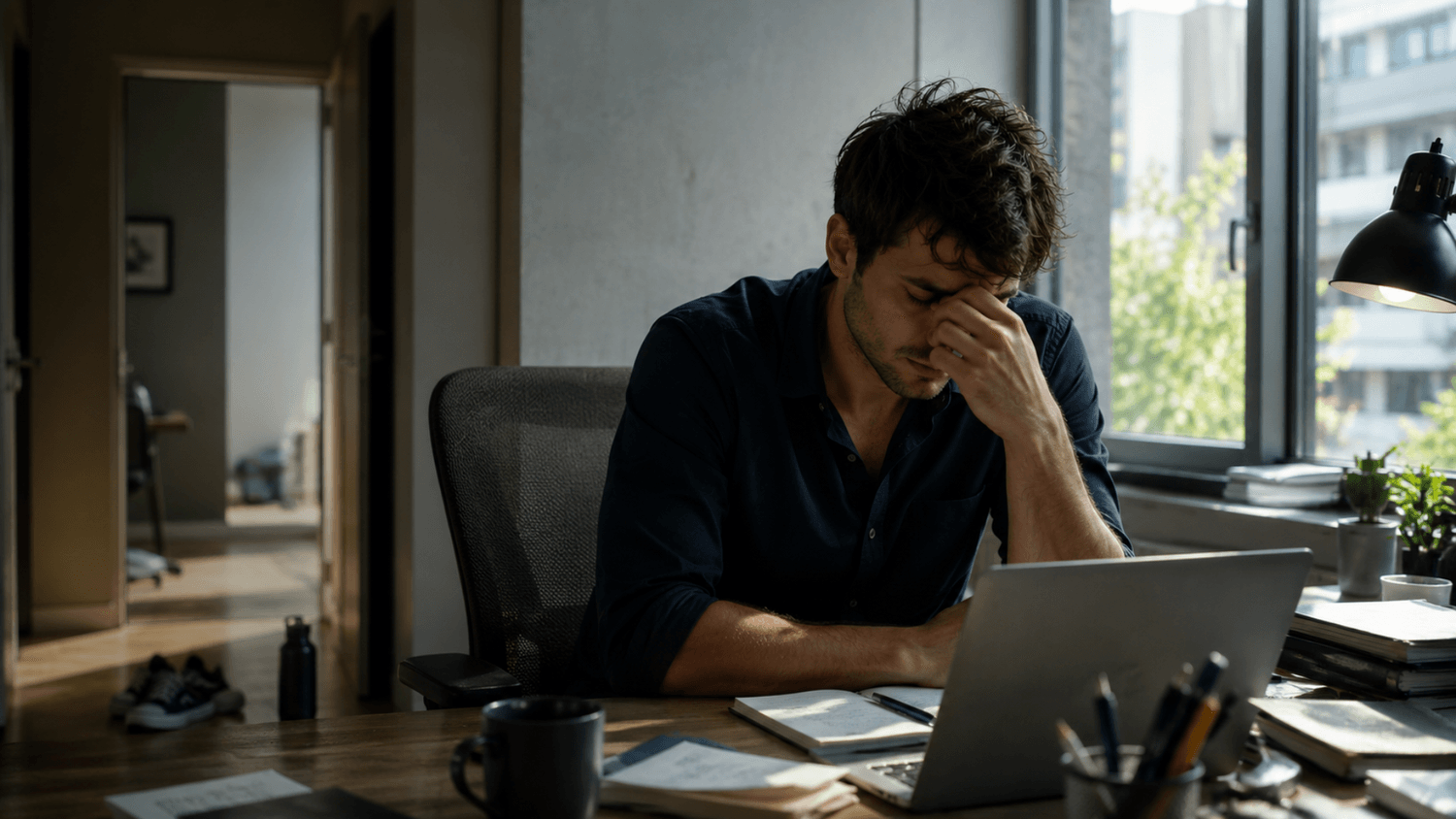
Exercise Is Not Just About Weight Loss
One of the biggest mistakes people make is believing movement only “counts” if it changes body size.
That belief damages motivation.
Because if physical results are slow, people assume movement is failing.
But movement provides benefits long before physical transformation becomes visible.
Sometimes within minutes.
For example:
A simple walk may help:
reduce stress
improve focus
calm anxious thoughts
increase energy
improve mood
Stretching may help:
reduce tension
improve posture
release stiffness
create relaxation
Light activity may help:
improve sleep quality
support emotional regulation
reduce mental fatigue
This matters because many people quit movement routines too early.
They are only watching the scale.
Meanwhile, their stress levels improved.
Their mood improved.
Their focus improved.
Their sleep improved.
Their energy improved.
Those improvements matter too.
And honestly?
Those benefits are often what help people stay consistent long term.
Your Brain Loves Movement
Movement changes brain chemistry in powerful ways.
Physical activity supports the release of chemicals connected to emotional well-being and mental balance.
That is one reason many people notice:
clearer thinking after movement
better emotional control
improved confidence
reduced irritability
more emotional resilience
Even gentle activity can help regulate emotional overwhelm.
This is especially important in modern life because many people carry constant low-level stress.
The body stores stress physically.
You feel it in:
tight shoulders
headaches
clenched jaws
low energy
fatigue
tension
restlessness
Movement helps release some of that buildup.
It creates a physical outlet for emotional pressure.
That is why movement often feels emotionally refreshing even when it is simple.
The Best Movement Is the Movement You’ll Actually Do
You do not need the “perfect” workout.
You need sustainable movement.
That means choosing activities that feel realistic for your life.
For some people that means:
walking outside
stretching every morning
biking casually
dancing in the kitchen
gardening
light yoga
hiking
mobility exercises
playing with kids
short home workouts
The goal is consistency.
Not perfection.
The fitness industry often pushes intensity.
But intensity is not always what people need most.
Sometimes people need movement that feels:
approachable
calming
enjoyable
flexible
emotionally supportive
Because when movement feels miserable, people avoid it.
When movement feels rewarding, people naturally return to it.
💡 Healthy Habits Work Better When They Feel Sustainable
You do not need to “go all in” to improve your health.
Simple routines repeated consistently create real results over time.
👉 Get the Simple Health Foundations Guide
Keep it simple. Stay consistent. Build from there.

Why Walking Is One of the Most Powerful Habits You Can Build
Walking is underrated.
People overlook it because it seems too simple.
But walking supports both physical and mental wellness in powerful ways.
Walking can:
improve circulation
reduce stress
support cardiovascular health
improve mood
create mental clarity
increase energy
reduce feelings of stagnation
And unlike extreme workouts, walking is sustainable for many people long term.
That matters.
A habit you maintain for years matters more than a habit you quit after two weeks.
Walking also creates mental breathing room.
Many people spend every moment consuming information.
Phones.
Notifications.
Emails.
Screens.
Walking—especially outdoors—can interrupt that constant stimulation.
It gives your brain space to reset.
Sometimes solutions appear during walks because the nervous system finally has room to calm down.
Movement Helps Interrupt Emotional Spirals
When people feel anxious, overwhelmed, or emotionally stuck, they often freeze physically too.
The body becomes inactive.
Energy drops.
Motivation disappears.
Movement can help interrupt that cycle.
Not because movement magically fixes every problem…
But because movement changes your state.
Even standing up and stretching can shift emotional momentum.
A short walk can interrupt racing thoughts.
A dance break can change emotional energy.
Movement helps remind the nervous system:
“We are not trapped.”
That emotional reset matters more than most people realize.

You Don’t Need to Earn Rest Through Exhaustion
Many people develop unhealthy relationships with exercise.
They believe:
movement must hurt
workouts must be intense
soreness equals success
rest must be earned
That mindset creates guilt and burnout.
Movement should support your life.
Not control it.
Healthy movement includes:
rest
flexibility
balance
enjoyment
recovery
emotional wellness
Some days your body may want:
a long walk
stretching
mobility work
light movement
deep rest
That is okay.
The goal is long-term consistency and support.
Not punishment.
The Connection Between Movement and Confidence
Movement often improves confidence in ways unrelated to appearance.
Why?
Because movement creates momentum.
When people move consistently, they often feel:
more capable
more energized
more mentally clear
more connected to themselves
Small movement habits create evidence that you are taking care of yourself.
That matters psychologically.
Even simple actions like:
morning stretches
daily walks
standing up regularly
moving during stressful moments
…can improve how people feel about themselves.
Not because they became perfect.
Because they became more connected to their own well-being.
💡 Small Daily Movement Can Change How You Feel
You do not need complicated fitness plans to support your health.
Simple movement done consistently can improve energy, focus, and emotional wellness over time.
👉 Get the Simple Health Foundations Guide
Keep it simple. Stay consistent. Build from there.
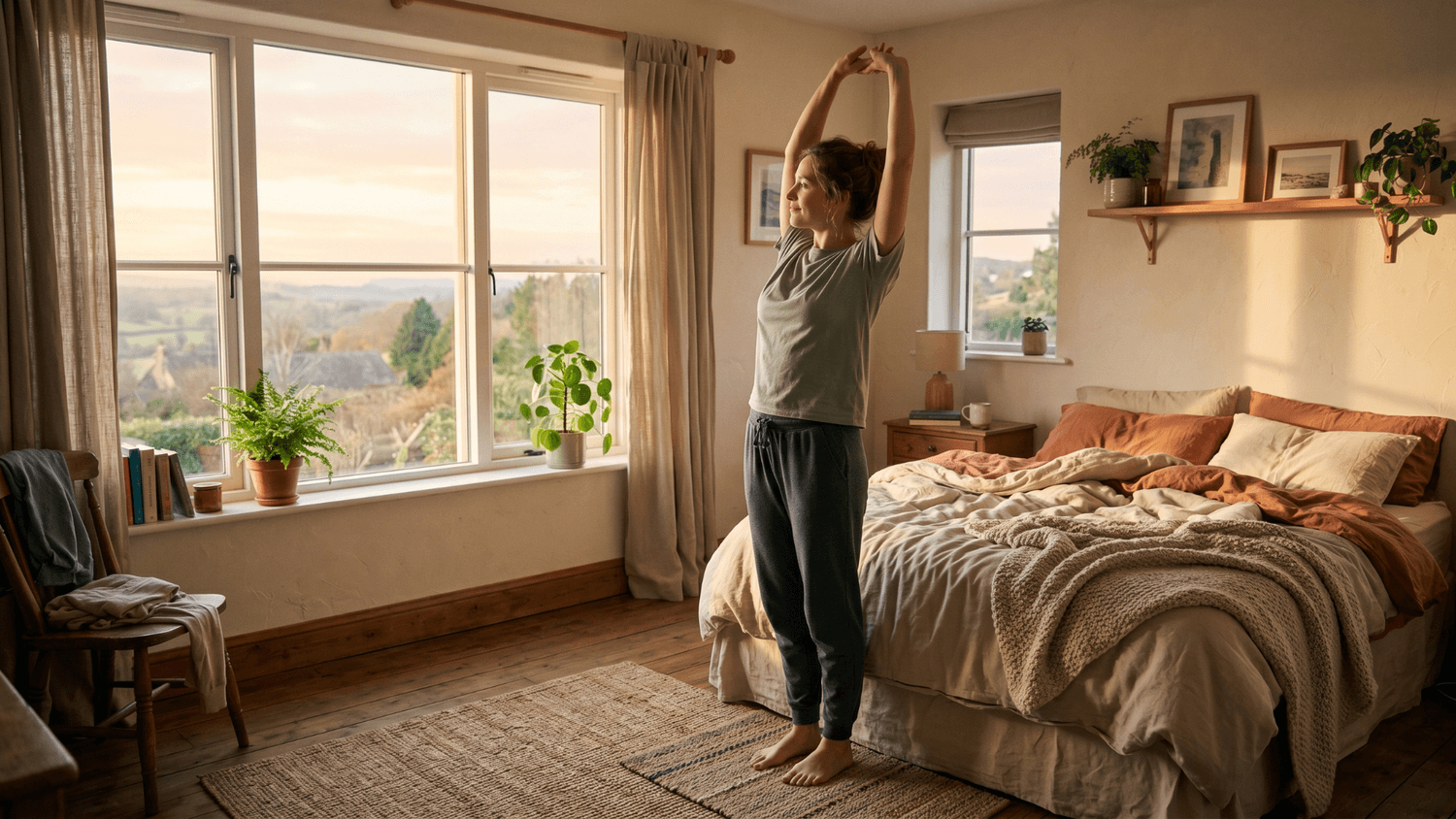
Movement Can Become a Form of Self-Respect
This is an important mindset shift.
Movement is not punishment for your body.
Movement can become a way of supporting your body.
That changes everything.
Instead of asking:
“How do I force myself to exercise?”
You begin asking:
“How can I support myself today?”
That mindset creates healthier consistency.
Because self-respect lasts longer than self-criticism.
People who constantly shame themselves often quit.
People who approach movement with support and flexibility tend to stay more consistent over time.
How to Build a Simple Movement Routine That Actually Lasts
Start smaller than you think.
Seriously.
Many people fail because they try to completely transform their lives overnight.
Instead:
start with 10-minute walks
stretch while coffee brews
dance to one song
stand up every hour
take short movement breaks
walk during phone calls
go outside briefly after work
Tiny movement habits build momentum.
And momentum matters more than intensity.
You are building:
identity
consistency
trust in yourself
emotional resilience
Those things compound over time.
Movement Is One of the Fastest Mood Resets Available
Not every bad day disappears after movement.
But movement often helps.
It creates:
circulation
mental stimulation
emotional release
nervous system regulation
improved energy flow
Sometimes you do not need more motivation.
You need motion.
That is why even small movement can feel surprisingly powerful during stressful days.
Your body and brain are deeply connected.
Helping one often helps the other.

You Are Allowed to Move in Ways That Feel Good
Not every movement routine needs to look impressive online.
You do not need:
perfect workouts
expensive equipment
intense gym sessions
complicated plans
You simply need movement that supports your life.
That could mean:
stretching
walking
dancing
mobility work
hiking
recreational sports
casual biking
movement breaks during work
Movement should fit into your life realistically.
Because realistic habits survive.
Extreme routines often do not.
The Long-Term Benefits Go Beyond Mood
Over time, regular movement supports:
heart health
joint mobility
energy levels
stress management
sleep quality
emotional balance
mental clarity
physical resilience
The goal is not perfection.
The goal is creating a healthier life that feels sustainable.
One small movement habit at a time.
💡 Your Health Does Not Need to Feel Overwhelming
Simple movement habits can create real changes in your energy, mood, and overall well-being.
You do not have to do everything perfectly to start feeling better.
👉 Get the Simple Health Foundations Guide
Keep it simple. Stay consistent. Build from there.
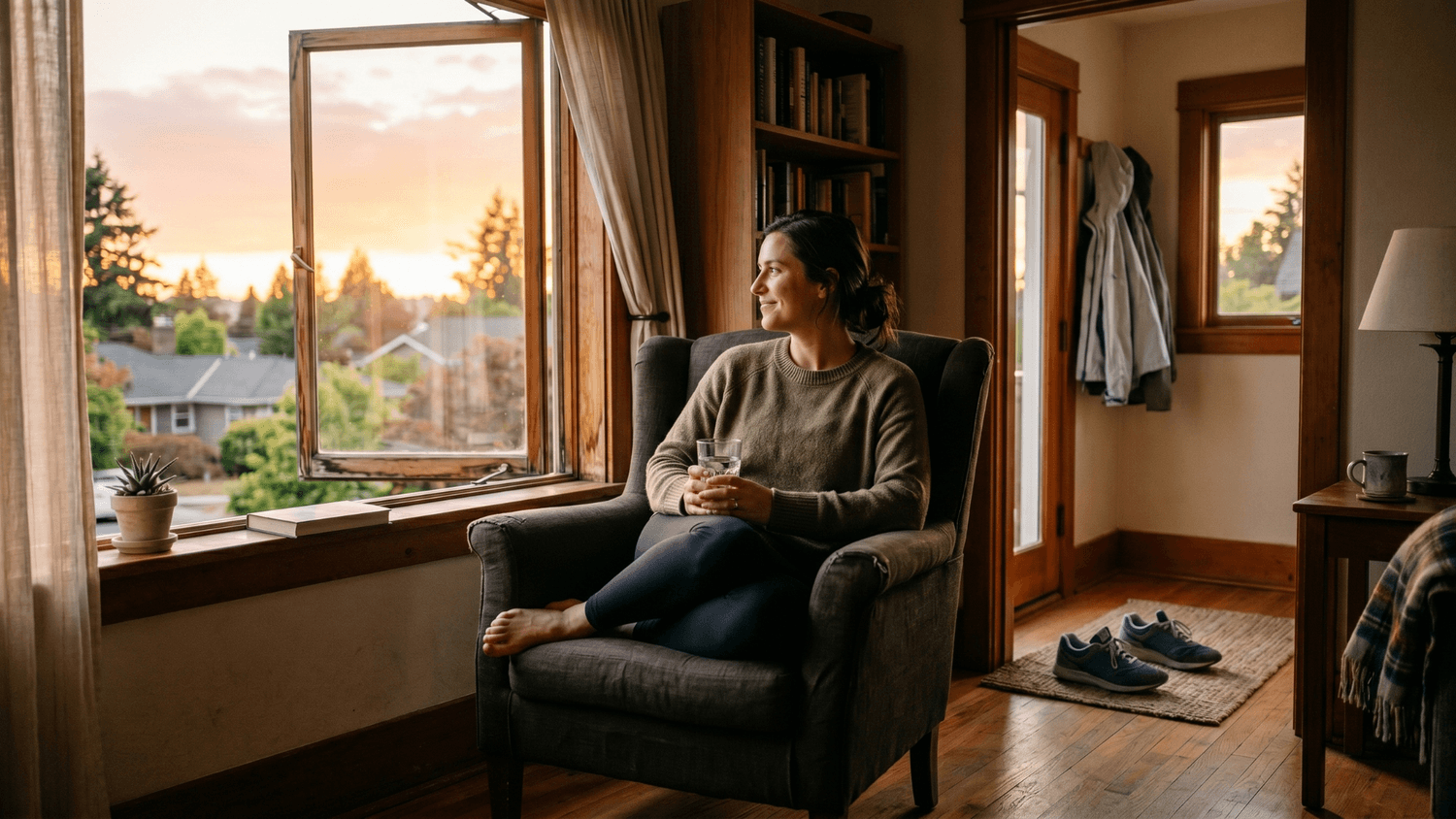
Final Thought
Movement is not only about changing your body.
Sometimes movement changes your entire emotional state.
A walk can clear your mind.
A stretch can reduce stress.
A few minutes of movement can help you feel more present, energized, and emotionally grounded.
You do not need perfect workouts.
You do not need punishment.
You do not need extreme routines.
You simply need movement that supports your life consistently.
Move for your mood.
Move because your mind and body deserve support.
And remember:
Every small step still counts.

Categories


Trending
Curious about Java Burn? Discover how this fat-burning coffee additive works, what ingredients it uses, and if it’s right for your daily routine.
Looking for real ways to make extra money in 2024? Here are 15 legitimate side hustles and online income ideas that actually work — no scams, no fluff.
Discover how to build real confidence using small, science-backed micro-habits. No fluff — just proven strategies that actually work.

About me

Hi there 👋 My name is Lisa Grove, I'm the maker of This Blog. One of my favorite things is travel, fun and sun :)
💡 Keep Exploring: Handpicked Reads for You
Discover proven strategies to attract leads using Facebook & Instagram — no ad budget needed.
Learn how to write subject lines and content that get clicks, opens, and responses.

Start your journey toward financial freedom with this simple, proven framework.
📬 Want Smart Marketing Tips in Your Inbox?
Join our free newsletter for weekly tips that help you grow faster and smarter.
© 2025 reebesthelp.com. All rights reserved.